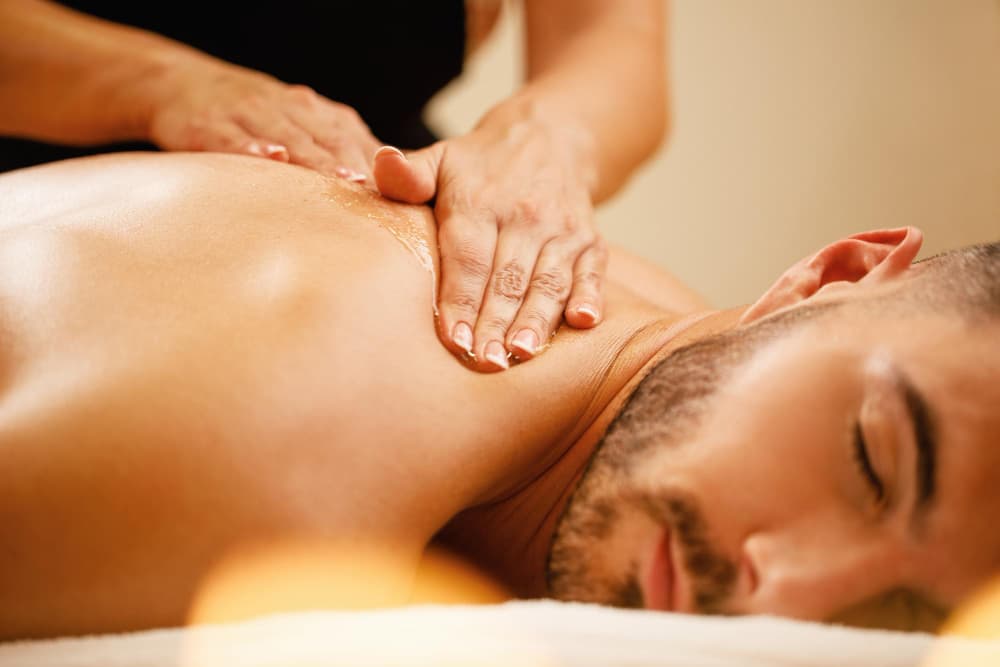
Transforming Relaxation: The Science-Backed Benefits of Nuru Massage
努鲁按摩如何深度释放压力 —— 从神经系统层面解析身心放松的科学原理。
※ 本文原为英文撰写。中文翻译版本正在准备中。
Introduction
Massage therapies have been valued for centuries as tools to enhance well-being and reduce stress. Among the array of styles emerging in modern wellness culture, Nuru massage stands out for its distinctive, silky texture and body-to-body engagement. But beyond the novelty of this technique, what does science say about its benefits? In this exploration, we’ll unveil the evidence-based advantages of Nuru massage, from its impact on the nervous system to its potential for improving circulation, mood, and overall quality of life.
Physiological Foundations of Relaxation
At its core, Nuru massage shares physiological benefits with other forms of therapeutic touch. Research in massage therapy consistently shows that gentle pressure, rhythmic strokes, and continuous contact can help regulate the autonomic nervous system. By activating the parasympathetic branch—responsible for the body’s “rest and digest” mode—Nuru massage may lower heart rate, blood pressure, and stress hormone levels. This shift away from the body’s fight-or-flight response creates a fertile ground for deep relaxation.
Psychological and Emotional Well-Being
Massage isn’t just about the physical body—it’s also about mental and emotional harmony. Research indicates that regular massage sessions can reduce symptoms of anxiety, depression, and insomnia. Nuru massage, with its immersive, sensual flow, may heighten these psychological benefits by promoting feelings of safety, trust, and connectedness. Over time, consistent sessions can contribute to improved mood stability, enhanced self-esteem, and overall emotional resilience.
Precautions and Considerations
While generally considered safe, individuals with certain health conditions should consult a medical professional before engaging in any new massage practice. Those with skin sensitivities should ensure the Nuru gel is hypoallergenic and fragrance-free. Additionally, open communication during sessions is crucial—both giver and receiver should feel comfortable expressing boundaries, pressure preferences, or any discomfort that arises.
Conclusion
The growing interest in Nuru massage is not solely about novelty—it’s also rooted in its potential to transform relaxation into a science-supported pathway toward wellness. By drawing on principles verified by massage research and blending them with its own unique attributes, Nuru massage stands as a compelling option for anyone looking to reduce stress, deepen emotional connections, and cultivate a more balanced, vibrant life. As further research emerges, Nuru massage may increasingly find its place in the broader landscape of evidence-based self-care, opening new doors to profound, holistic well-being.